

How to Improve Reaction Time in Games in 2026

Microespana Admin
February 2, 2026
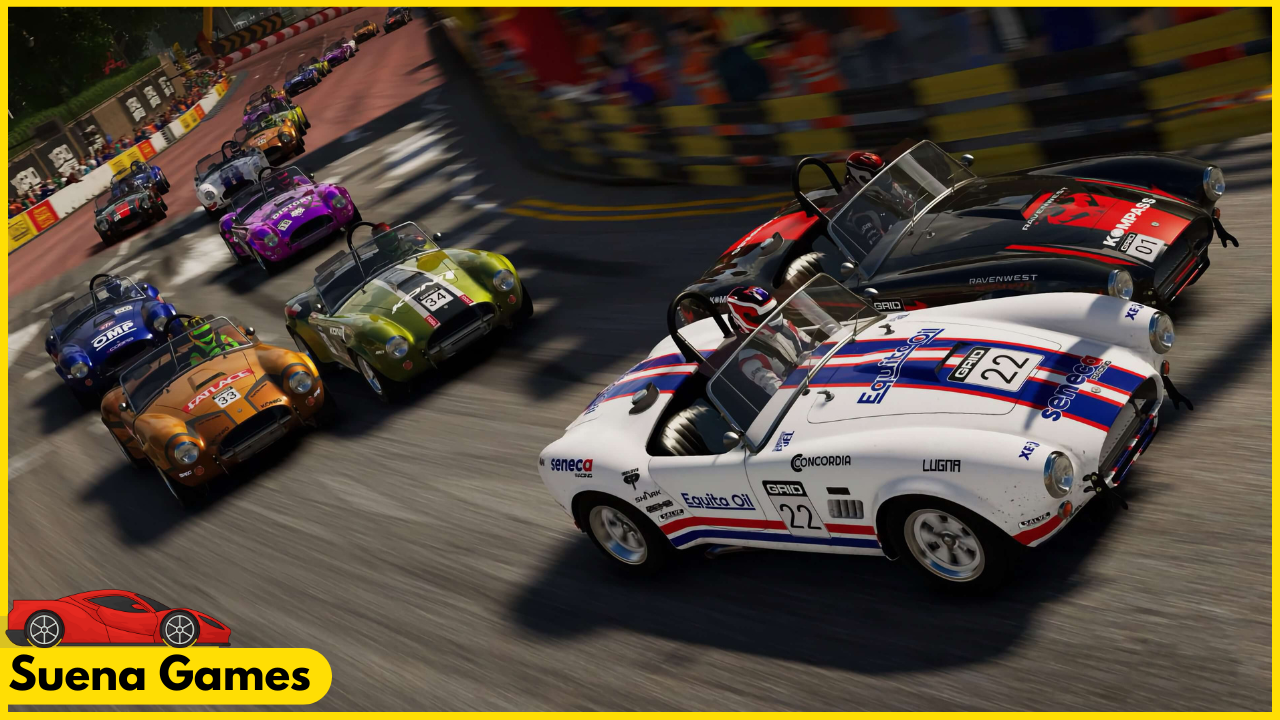
Reaction time is one of the most important skills in gaming. Whether you play competitive shooters, racing games, fighting games, MOBAs, or fast-paced action titles, faster reactions often mean the difference between winning and losing.
In 2026, games are more responsive, competitive, and demanding than ever, making reaction time a key factor for all players, not just professionals. Check More Here: How to Play Racing Games for Beginners in 2026
The good news is that reaction time is not fixed. With the right habits, settings, and training methods, anyone can improve their reaction speed. This guide explains how to improve reaction time in games in 2026 using practical, proven, and safe techniques suitable for casual and competitive players.
What reaction time means in gaming
Reaction time is the delay between seeing or hearing something in the game and responding to it. This could be clicking a mouse, pressing a button, or moving a joystick.
In gaming, reaction time affects aiming, dodging, blocking, drifting, countering, and decision-making under pressure. Faster reactions lead to smoother gameplay and better performance.
Why reaction time matters more in 2026
Modern games run at higher frame rates, have faster animations, and rely heavily on online competition. In 2026, many games are designed around quick engagements and split-second decisions.
As skill ceilings rise, improving reaction time gives players a clear competitive edge without relying on exploits or unfair advantages.
The difference between reaction time and reflexes
Reaction time and reflexes are often confused. Reflexes are automatic responses, while reaction time involves perception, decision, and action.
Gaming reaction time can be trained because it depends on focus, anticipation, muscle memory, and system setup.
Understanding your current reaction time
Before improving, it helps to know your baseline. Many players overestimate or underestimate their reaction speed.
Simple reaction tests and in-game performance tracking help identify whether delays come from awareness, hardware, or decision-making.
Improve reaction time by optimizing your gaming setup
Hardware and settings play a major role in reaction speed.
Using a monitor with a high refresh rate and low response time reduces visual delay. Input devices such as gaming mice and controllers with low latency also improve responsiveness.
Lowering input lag through proper settings ensures your actions register instantly.
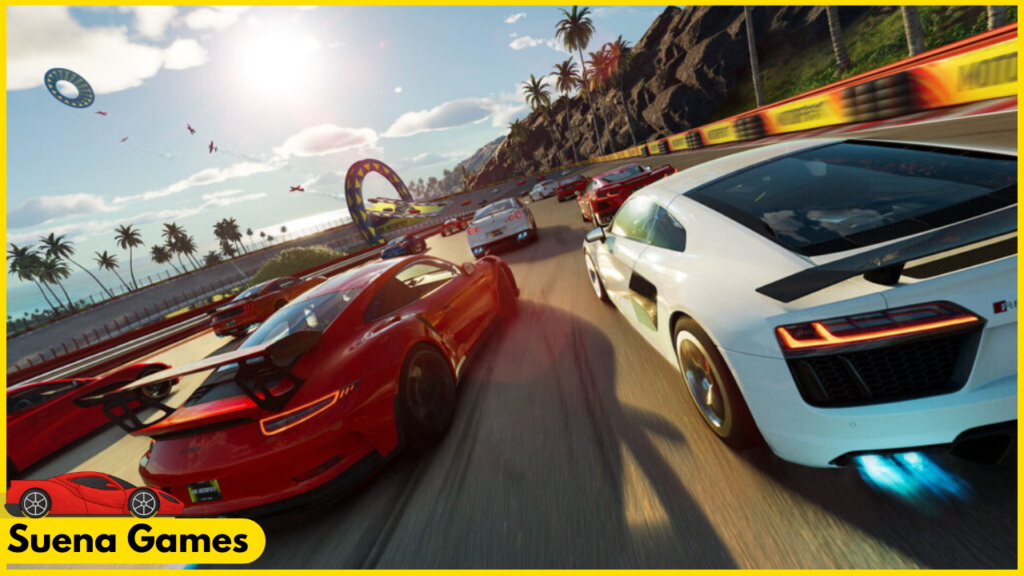
Adjust in-game settings for faster reactions
Many games include settings that affect reaction time. Motion blur, excessive visual effects, and screen shake can slow perception.
Disabling unnecessary effects improves clarity and allows your brain to process information faster.
Increase frame rate and stability
Higher and stable frame rates make motion smoother and easier to track. This helps your brain react faster to enemy movement or sudden changes.
Lower graphics settings if necessary to maintain consistent performance.
Train reaction time with in-game practice modes
Practice modes, aim trainers, and training arenas are ideal for improving reaction time.
Repeated exposure to fast situations builds muscle memory, reducing the time needed to respond.
Play fast-paced game modes
Faster game modes force quicker decision-making. Short matches, deathmatch modes, and time-attack challenges train the brain to react under pressure.
These modes are effective even for casual players.
Focus on anticipation instead of pure speed
Top players rely more on anticipation than raw reaction speed. Predicting enemy movement and game flow reduces the need to react late.
Learning maps, patterns, and common strategies allows you to act earlier.
Improve hand-eye coordination
Hand-eye coordination directly affects reaction time. Games that require tracking targets, quick aiming, or precise timing help sharpen this skill.
Consistent play improves coordination naturally over time.
Use warm-up routines before playing
Jumping straight into competitive matches without warming up can slow reactions.
Spending a few minutes in training modes prepares your brain and hands for fast responses.
Maintain physical health for better reactions
Reaction time is affected by physical condition. Fatigue, dehydration, and poor posture slow responses.
Proper sleep, hydration, and short breaks during gaming sessions significantly improve focus and reaction speed.
Reduce mental overload while playing
Trying to process too much information at once slows reaction time. Simplifying your playstyle and focusing on key cues improves speed.
Clear thinking leads to faster actions.
Improve reaction time through consistency
Short, regular practice sessions are more effective than long, irregular ones. Consistency trains the brain to respond quickly without conscious effort.
Daily play in focused sessions leads to steady improvement.
Avoid common mistakes that slow reaction time
Many players chase speed without accuracy, leading to panic reactions.
Overreacting, spamming inputs, and playing while tired reduce performance instead of improving it.
Use audio cues to react faster
Sound plays a major role in reaction time. Footsteps, engine sounds, and ability cues often trigger faster reactions than visuals.
Using good headphones improves situational awareness.
Train reaction time across different game genres
Playing different types of fast-paced games improves overall reaction skills. Skills gained in shooters, racing, or fighting games often transfer between genres.
Variety keeps training effective and engaging.
How competitive players train reaction time in 2026
Competitive players focus on efficient practice, proper setup, and mental discipline. They prioritize clarity, anticipation, and consistency rather than chasing unrealistic reaction speeds.
Following similar principles benefits players at all levels.
How long it takes to improve reaction time
Noticeable improvement can occur within weeks with consistent practice. Significant gains come from combining training, proper settings, and healthy habits.
Progress is gradual but reliable.
The future of reaction training in gaming
In 2026, reaction training continues to evolve with better tools, smarter practice modes, and improved accessibility. Games increasingly support built-in training systems that help players improve naturally.
This makes reaction improvement easier for everyone.
Conclusion
Improving reaction time in games in 2026 is achievable for any player willing to practice smartly and consistently. By optimizing your setup, adjusting game settings, training anticipation, and maintaining good physical and mental habits, you can significantly boost your in-game responsiveness.
Reaction time is not just about speed, but clarity, focus, and preparation. For scientific insights into reaction time, human performance, and skill development, you can also explore research and training concepts available at https://www.ncbi.nlm.nih.gov.
FAQs
Can reaction time really be improved with practice?
Yes, reaction time improves through training, muscle memory, and better anticipation.
Do better monitors actually improve reaction time?
Yes, higher refresh rates and lower input lag reduce visual and input delays.
Is reaction time more important than accuracy?
Both matter, but accurate reactions are more effective than fast but uncontrolled inputs.
How often should I train reaction time?
Short daily sessions are more effective than long, infrequent practice.
Does age affect reaction time in gaming?
Reaction time can slow slightly with age, but smart training and anticipation compensate effectively.


Discussion